
Keibul Lamjao National Park: Navigating the World's Only Floating Sanctuary
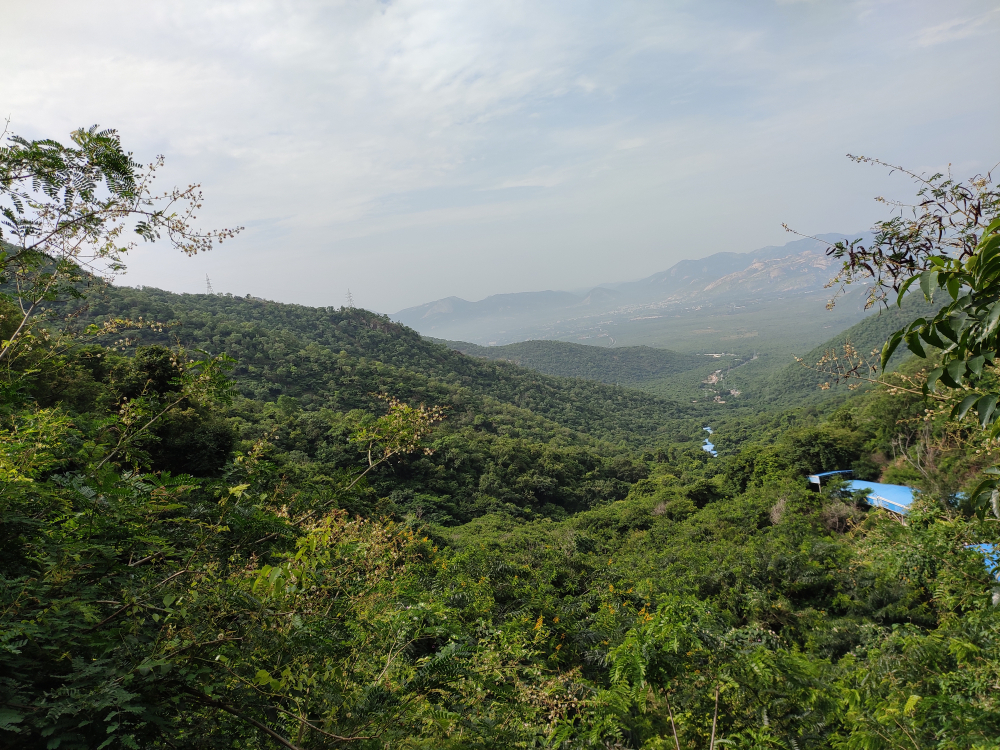
Keibul Lamjao National Park is located in the Bishnupur district of Manipur, India. Established in 1977, it is the only floating national park in the world. The park encompasses the Loktak Lake, which is the largest freshwater lake in northeastern India. One of the park’s unique features is the phumdis, which are floating decomposed plant material and soil. These floating islands support a diverse ecosystem, including various species of flora and fauna.
The park is particularly renowned for being the last natural refuge of the endangered Manipur brow-antlered deer, also known as the Sangai. The Sangai is the state animal of Manipur and is endemic to the region. Other wildlife species found in the park include hog deer, otters, and a variety of bird species.
Keibul Lamjao National Park not only serves as a crucial habitat for wildlife conservation but also attracts tourists and researchers interested in the distinctive ecology of the floating islands. The park is of cultural significance to the local communities, and efforts are made to balance conservation with sustainable development in the region. Visitors to the park can enjoy boat rides on Loktak Lake, witness the unique floating vegetation, and observe the rich biodiversity that thrives in this one-of-a-kind natural environment.
Geographical
Keibul Lamjao National Park is situated in the northeastern part of India, specifically in the Bishnupur district of the state of Manipur. The park is centered around the Loktak Lake, which is the largest freshwater lake in the northeastern region of the country.
Geographically, the park spans an area that includes the floating decomposed plant material and soil formations known as phumdis. These phumdis are unique to the region and contribute to the distinctive ecology of the national park. Keibul Lamjao National Park is recognized for being the world’s only floating national park, making it a remarkable natural phenomenon.
The total area covered by the national park, including the lake and the surrounding phumdis, is approximately 40 square kilometers. This encompasses both the terrestrial and aquatic ecosystems, providing a habitat for a variety of plant and animal species, with a special emphasis on the conservation of the endangered Manipur brow-antlered deer, also known as the Sangai.
History
Keibul Lamjao National Park has a history rooted in the conservation efforts and recognition of the unique ecosystem surrounding Loktak Lake in Manipur, India. Here’s a brief overview of the park’s history:
1977 Establishment: Keibul Lamjao National Park was established in 1977, primarily to conserve the endangered Manipur brow-antlered deer, locally known as Sangai. The Sangai is endemic to the region and is considered the state animal of Manipur.
Conservation Focus: The park was created with the specific aim of protecting the Sangai and its habitat. The Sangai, with its distinctive antlers and appearance, had faced a decline in population due to habitat loss and other threats. Keibul Lamjao became a critical refuge for this endangered species.
Floating Phumdis: The park’s unique feature is the presence of floating decomposed plant material and soil formations known as phumdis. These floating islands contribute to the ecological diversity of the region and play a crucial role in the park’s ecosystem.
Biodiversity Conservation: Over the years, the park’s conservation efforts expanded beyond Sangai to include the preservation of other flora and fauna indigenous to the area. The rich biodiversity of Loktak Lake and its surroundings became a focal point for both environmental and cultural conservation.
Cultural Significance: Keibul Lamjao National Park holds cultural importance for the local communities, and efforts have been made to involve and educate them in conservation initiatives. The park’s management involves a delicate balance between preserving the natural habitat and promoting sustainable practices that benefit both wildlife and local populations.
Tourism and Research: The park attracts tourists and researchers interested in studying the unique floating ecosystem and the wildlife it supports. Tourism activities, including boat rides on Loktak Lake, contribute to the local economy while raising awareness about the importance of conservation.
Keibul Lamjao National Park stands as a testament to the commitment to preserving the natural heritage of Manipur, especially the endangered Sangai and the extraordinary ecosystem of Loktak Lake.
Flora
Keibul Lamjao National Park boasts a diverse range of flora, contributing to its unique and vibrant ecosystem. The park’s vegetation is influenced by its location around Loktak Lake and the presence of floating phumdis. Here are some key elements of the flora found in Keibul Lamjao National Park:
Floating Phumdis: The park is characterized by these floating decomposed plant material and soil formations, known as phumdis. These floating islands support a variety of plant species, including grasses, reeds, and other wetland plants.
Aquatic Plants: The lake and its surroundings host various aquatic plants, such as water lilies and lotuses. These plants thrive in the wetland environment, adding to the overall biodiversity of the park.
Marsh Vegetation: The marshy areas around Loktak Lake support vegetation adapted to wet conditions. This includes sedges, rushes, and other plants that can withstand fluctuating water levels.
Terrestrial Plants: In addition to wetland vegetation, the park also features terrestrial plants on the fringes of Loktak Lake. The flora here includes trees, shrubs, and grasses typical of the region.
Endemic Plants: The park is home to plant species that are native to the area and contribute to the park’s uniqueness. These may include species adapted to the specific conditions of the floating islands and the lake ecosystem.
The flora of Keibul Lamjao National Park plays a crucial role in providing habitat and sustenance for various animal species, including the endangered Manipur brow-antlered deer (Sangai) and a diverse array of birdlife. The park’s vegetation, especially the floating phumdis, adds to the ecological richness of the region, making it a remarkable destination for both conservationists and nature enthusiasts.
Fauna
Keibul Lamjao National Park is home to a diverse array of fauna, both terrestrial and aquatic. The park’s unique ecosystem, centered around Loktak Lake and its floating phumdis, supports a variety of wildlife. Here are some notable species of fauna found in Keibul Lamjao National Park:
Manipur Brow-antlered Deer (Sangai): The Sangai is the flagship species of the park and is an endemic subspecies of the brow-antlered deer found only in Manipur. Keibul Lamjao serves as the last natural habitat for this endangered species, and conservation efforts are focused on protecting the Sangai population.
Hog Deer: Another deer species found in the park is the hog deer. These medium-sized deer inhabit the marshy and grassy areas, coexisting with the Sangai.
Indian Python: The wetland and marshy habitats of the park provide a suitable environment for reptiles, including the Indian python. These snakes are well adapted to the aquatic surroundings and are an integral part of the park’s ecosystem.
Wild Boar: The park is home to wild boars, which are commonly found in the terrestrial areas surrounding Loktak Lake. They contribute to the park’s ecological balance as herbivores.
Oriental Small-clawed Otter: The water bodies in and around Keibul Lamjao National Park are inhabited by the Oriental small-clawed otter. These semi-aquatic mammals play a vital role in maintaining the health of the aquatic ecosystem.
Avian Diversity: The park is a haven for birdwatchers, with a variety of resident and migratory bird species. Waterfowl, such as ducks and geese, along with waders and other water-associated birds, find sanctuary in the park.
Fish Species: Loktak Lake supports a diverse range of fish species, contributing to the overall biodiversity of the park. These include indigenous fish that have adapted to the lake’s unique conditions.
Keibul Lamjao National Park’s fauna is an integral part of the fragile ecosystem sustained by the floating phumdis and Loktak Lake. Conservation efforts are not only focused on the flagship species like the Sangai but also on preserving the overall biodiversity of this remarkable floating national park.
- Mammals
- Brow-antlered deer
- Hog deer
- Wild boar
- Large Indian civet
- Common otter
- Jungle cat
- Asian golden cat
- Bay bamboo rat
- Musk shrew
- Common shrew
- Amphibians and reptiles
- Keel back tortoise
- Viper
- Krait
- Cobra
- Water cobra
- Banded krait
- Asian rat snake
- Python
Attractions / Things To Do
Keibul Lamjao National Park and its surrounding areas offer a unique blend of natural beauty, wildlife, and cultural significance. Visitors to the park can enjoy a range of attractions and activities. Here are some things to do and attractions to explore in and around Keibul Lamjao National Park:
Sangai Sightseeing: The park is renowned for being the last natural habitat of the Manipur brow-antlered deer, or Sangai. Wildlife enthusiasts can embark on guided tours to spot and observe these rare and endangered deer in their natural environment.
Boat Rides on Loktak Lake: Take a boat ride on Loktak Lake to experience the scenic beauty and floating phumdis. Boating provides a unique perspective of the park, allowing visitors to witness the diverse flora and fauna while enjoying the tranquility of the lake.
Bird Watching: The park is a paradise for birdwatchers. Bring your binoculars and camera to observe a variety of resident and migratory bird species. Loktak Lake and its surroundings attract waterfowl, waders, and other avian species.
Photography: Capture the stunning landscapes, the floating islands, and the rich biodiversity through photography. The park offers numerous picturesque spots for nature photography, especially during sunrise and sunset.
Cultural Exploration: Engage with the local communities and learn about the cultural significance of the park. The traditional lifestyles of the people living around Loktak Lake add a unique cultural dimension to the visit.
Visit Sendra Island: Located in Loktak Lake, Sendra Island offers a peaceful retreat and panoramic views of the surroundings. It’s a great place for a leisurely stroll and picnics.
Explore Surrounding Areas: Venture beyond the park to explore nearby attractions, such as the ancient Loktak Lairembi Temple and Thanga Island. These sites provide insights into the history and culture of the region.
Conservation Center: Visit any conservation or interpretation centers within the park to learn more about the efforts to protect the Sangai and the overall biodiversity of the area. Educational exhibits and information are often available.
Remember to respect the park’s rules and regulations, and consider hiring local guides for a more enriching experience. Whether you’re interested in wildlife, nature, or cultural exploration, Keibul Lamjao National Park offers a range of activities to suit diverse interests.
Best time to visit
The best time to visit Keibul Lamjao National Park is during the dry season, which typically spans from November to April. This period offers more favorable weather conditions and enhances the overall visitor experience. Here are some considerations for each season:
Winter (November to February): This is considered the peak tourist season as the weather is cool and dry. The temperatures are comfortable, making it an ideal time for wildlife viewing, boat rides on Loktak Lake, and exploring the park’s attractions without the hindrance of heavy rainfall.
Post-Winter (March to April): As winter transitions to summer, the weather remains pleasant, and the landscape is lush and green. March and April offer good opportunities for birdwatching and enjoying the blooming flora in and around the park.
Avoid the monsoon season, which typically occurs from May to October, as heavy rainfall can lead to flooded areas, challenging travel conditions, and limited visibility for wildlife observation. The park may also be temporarily closed during the monsoon for safety reasons.
It’s advisable to check local weather conditions and the park’s operational status before planning your visit. Additionally, keep in mind that specific wildlife viewing, such as spotting the Sangai, can be influenced by factors like the breeding season, so it’s helpful to gather information on the best times for observing specific species.
Overall, the dry season, particularly from November to February, is generally considered the most suitable time to enjoy the natural beauty and wildlife of Keibul Lamjao National Park.
How To Reach
Reaching Keibul Lamjao National Park involves traveling to its location in the Bishnupur district of Manipur, India. The park is situated around Loktak Lake. Here’s how you can reach Keibul Lamjao National Park:
By Air: The nearest airport is Imphal International Airport (Tulihal Airport), which is well-connected to major cities in India. From the airport, you can hire a taxi or use other local transportation to reach the park. The airport is approximately 53 kilometers away from the park.
By Rail: The closest major railway station is Dimapur Railway Station in Nagaland. From Dimapur, you can take a taxi or use other local transportation to reach Imphal, which is around 215 kilometers from Keibul Lamjao National Park. Imphal does not have a railway station.
By Road:
- From Imphal: Imphal, the capital of Manipur, is well-connected by road. You can hire a taxi or use public buses to travel to Bishnupur district, where the park is located. The distance between Imphal and the park is approximately 53 kilometers, and the journey takes about 1.5 to 2 hours.
- From Dimapur: If you are traveling by road from Dimapur, you can hire a taxi or use buses to reach Imphal. The journey takes around 6-7 hours, covering a distance of approximately 215 kilometers.
Local transportation options, including taxis and buses, are available for travel within Manipur. It’s recommended to plan your transportation in advance and check the road conditions, especially during the monsoon season when certain routes may be affected by heavy rainfall.
Always verify the current travel conditions and check for any updates or changes in transportation options before your journey to Keibul Lamjao National Park.
Conclusion
In conclusion, Keibul Lamjao National Park stands as a unique and remarkable destination in the northeastern state of Manipur, India. Established in 1977, the park is renowned for being the world’s only floating national park, centered around the expansive Loktak Lake. The floating phumdis, a distinctive feature of the park, contribute to a diverse and fragile ecosystem that supports a rich array of flora and fauna.
The park’s primary conservation focus is on the endangered Manipur brow-antlered deer, locally known as Sangai, making Keibul Lamjao crucial for the survival of this rare species. Beyond Sangai, the park shelters various other wildlife, including hog deer, otters, and a variety of bird species.
Visitors to Keibul Lamjao National Park can engage in a range of activities, from Sangai sightseeing and bird watching to boat rides on Loktak Lake. The park’s cultural significance is intertwined with the traditional lifestyles of the local communities, adding a unique dimension to the visitor experience.
The best time to explore Keibul Lamjao is during the dry season, particularly from November to April, when weather conditions are favorable for wildlife viewing and outdoor activities.
In essence, Keibul Lamjao National Park is a testament to the delicate balance between conservation and sustainable tourism, offering a captivating blend of natural beauty, biodiversity, and cultural heritage. Whether you are an avid nature enthusiast, a wildlife lover, or someone seeking a unique cultural experience, Keibul Lamjao National Park promises an unforgettable journey into the heart of Manipur’s natural wonders.
FAQ
Keibul Lamjao is the world’s only floating national park, featuring floating phumdis (decomposed plant material) on Loktak Lake. It is renowned for being the last natural habitat of the endangered Manipur brow-antlered deer, or Sangai.
The nearest airport is Imphal International Airport, and the nearest major railway station is Dimapur Railway Station. From Imphal, you can hire a taxi or use public buses to reach Bishnupur district. The park is approximately 53 kilometers from Imphal.
The best time to visit Keibul Lamjao National Park is during the dry season, from November to April. This period offers favorable weather conditions for wildlife viewing, boat rides, and exploration of the park.
The park is home to the endangered Manipur brow-antlered deer (Sangai), hog deer, otters, various bird species, and more. Loktak Lake supports diverse aquatic life, contributing to the overall biodiversity.
Accommodations are available in nearby towns such as Imphal. Visitors can find a range of hotels and guesthouses to suit different budgets. It’s advisable to make reservations in advance, especially during peak tourist seasons.
Visitors are required to follow park regulations, which may include guidelines for wildlife observation and boating. It’s essential to respect the natural environment and wildlife. Hiring local guides is recommended for a better understanding of the park’s ecology.
Yes, boat rides on Loktak Lake are a popular activity. They offer a unique perspective of the floating phumdis and the diverse flora and fauna. Boats can be hired at designated points near the park.
Keibul Lamjao National Park may have interpretation or conservation centers that provide information about the park’s wildlife, conservation efforts, and the significance of the Sangai. Visitors can learn more about the park’s ecology through these centers.