
Kalesar National Park: Unveiling the Splendors of Nature and Wildlife
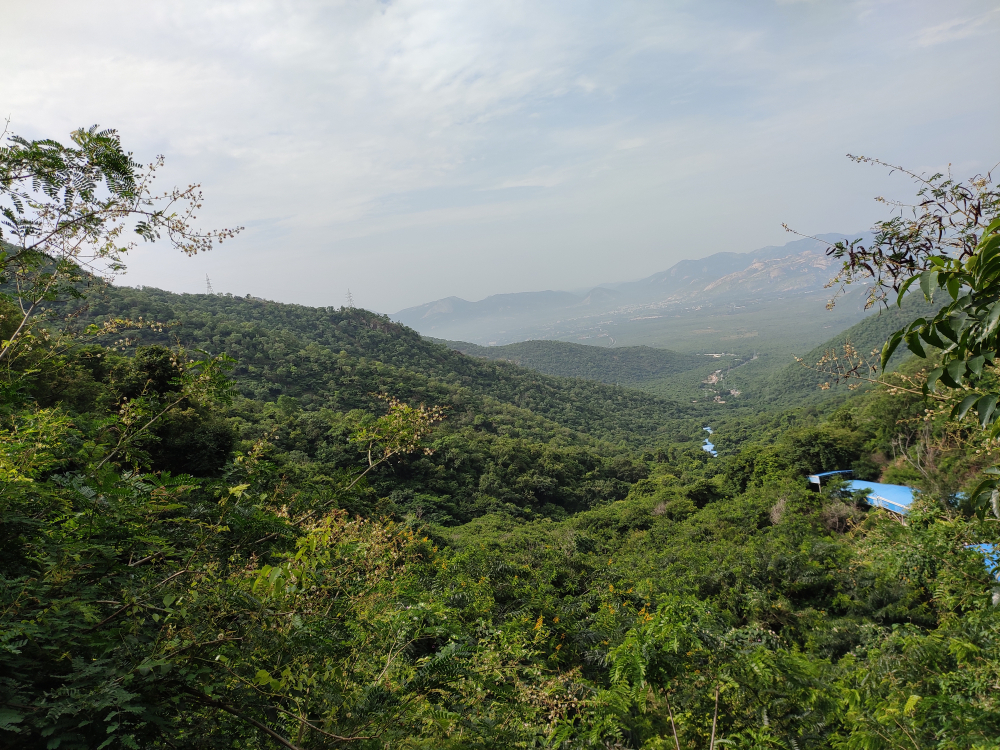
Kalesar National Park, spanning 13,000 acres (53 km2), and its neighboring Kalesar Wildlife Sanctuary, covering 13,209 acres (53.45 km2), are designated protected areas located in the Yamunanagar district of Haryana state, India, approximately 122 kilometres (76 mi) from Chandigarh. Established in 2003, Kalesar National Park and Kalesar Wildlife Sanctuary are contiguous to Simbalbara National Park in Himachal Pradesh and Rajaji National Park in Uttarakhand.
Renowned for its diverse wildlife, Kalesar is a favored habitat for leopards, panthers, elephants, red jungle fowl, and is a popular destination for bird-watching enthusiasts. The forested landscape in the Shivalik foothills is predominantly covered with sal trees, interspersed with Semul, Amaltas, and Bahera trees as well.
Visitors can explore the natural beauty and wildlife through wildlife jeep safaris offered on three designated tracks. The park is closed from July to September. During the remaining months, the visiting hours are from 6 am to 10 am and 4 pm to 7 pm in summers, and from 7 am to 11 am and 3:30 pm to 6 pm in winters.
History
Kalesar National Park, spanning 13,000 acres (53 km2), was officially designated on December 8, 2003, while the adjacent Kalesar Wildlife Sanctuary, covering 13,209 acres (53.45 km2), received its official recognition on December 13, 1996. However, the lack of adequate funding from the central government is purportedly impeding wildlife conservation efforts in the national park.
Origin of the Name – The nomenclature of Kalesar National Park is derived from the Kalesar Mahadev temple situated within its boundaries.
18th and 19th Century – In the 18th century, the Afghan invader Ahmad Shah Abdali camped at Pinjore Gardens in 1765, and in 1807, during the British Raj era, soldier Rollo Gillespie camped in these hills for tiger hunting. By 1892-93, excessive hunting had led to a decline in the tiger and panther populations. Consequently, by 1913, the Sirmur State had imposed a hunting ban.
Kalesar Mahadev Temple – The ancient Kalesar Mahadev temple gets its name from a corrupted form of Kaleshwar, an epithet of the Hindu deity Lord Shiva. Positioned near NH 907 on the east side, just 400 meters north of Kalesar Dak bungalow (rest house), and 8.5 km north of Hathni Kund Barrage, the temple is accompanied by another Shiva temple from a later era.
As part of the INR 1200 crore Morni to Kalesar tourism development plan announced in January 2019, the Government of Haryana is actively developing this temple, along with other sites such as Kapal Mochan Tirth, Panchmukhi Hanuman temple of Basatiyawala, Sharda Mata Temple of Chotta Trilokpur, and Lohgarh fort, the capital of Banda Singh Bahadur.
Colonial Dak Bungalow – This region, ideal for bird watchers and wildlife enthusiasts, features a century-old colonial dak bungalow. Positioned near NH 907 on the east side, just 400 meters south of Kalesar Mahadev temple, and 8.1 km north of Hathni Kund Barrage, the forest rest house offers a picturesque view of the Yamuna river. Surrounded by multi-layered gardens, the Raj bungalow architecture includes high-ceiling rooms, exquisite parquet flooring, teak paneling along walls, and antique furniture, creating a period-appropriate setting.
Geography
Situated on both sides of the Yamuna Nagar-Paonta Sahib Road in the Yamuna Nagar district of Haryana, the Kalesar National Park and Wildlife Sanctuary are approximately 8 km from the Hathni Kund Barrage, 15 km from Paonta Sahib, 55 km from Dehradun, 43 km from Yamunanagar, 119 km via the bitumen-paved Bilaspur road through the forest, or 122 km via NH 7 from Chandigarh. The region is bordered by the Yamuna River to the east, Rajaji National Park in Uttarakhand to the northeast, Simbalbara National Park in the main Shivalik Hill range to the north along Haryana’s border with Himachal Pradesh, Morni Hills and agricultural farms to the west, and agricultural farms in the plains of Yamunanagar district to the south.
Wildlife Safaris
Explore the natural beauty of Kalesar National Park through designated jeep safaris, available on three motorable tracks during the specified park opening months and hours. The routes include a 20-feet wide route-1 spanning 7 km, a 60-feet wide route-2 covering 6.5 km, and a 60-feet wide route-3 extending over 6 km. Only vehicles pre-registered with the wildlife department for safari operations are permitted on these routes, and private vehicles are not allowed. The park is closed from July to September. Visiting hours during the remaining months are from 6 am to 10 am and 4 pm to 7 pm in summers, and from 7 am to 11 am and 3:30 pm to 6 pm in winters.
Hills
The Kalesar National Park is situated in the foothills of the Shivalik Hills range, which runs parallel to the Himalayan range from Haridwar on the Ganges to the banks of the Beas, covering a length of 200 miles (320 km) and an average width of 10 miles (16 km). This intermediate valley, positioned between the outer hills and Mussoorie, experiences elevations ranging from 2000 to 3,500 ft (1,100 m).
From a geological perspective, the Shivaliks are part of the tertiary deposits of the outer Himalayas, predominantly composed of low sandstone and conglomerate hills. These hills represent solidified and upheaved detritus from the great range behind them. The region features several dry rivulets with pebbles, which come to life during the monsoon season. A dirt road diverges from the highway, marked by a faded billboard signaling entry into the reserve forest primarily characterized by Sal trees.
Flora
Dense Old Forest – Kalesar boasts a diverse forest landscape with 53% classified as dense forest, 38% as open forest, and 9% as scrub. The total forest cover extends to about 71%, encompassing an area of 11,570 acres (46.8 km2), making Kalesar Reserve Forest a unique entity in Haryana. The forest is characterized by towering sal trees that form the dense, age-old canopy of the Doon valley, accompanied by other species such as Semul, Amaltas, and Bahera.[2] Additionally, the forest hosts khair, shisham, sain, jhingan, and chhal (Anogeissus latifolia). Notably, it stands as the sole forest in Haryana featuring a natural Sal tree belt.
The flora includes the petite sindoor tree, known for its delicate flowers that transform into pods, yielding the vermilion sindoor traditionally worn by married women. Climbing plants gracefully wind around tree stems, and the forest floor is adorned with fallen leaves and foliage. Artistic anthills punctuate the landscape, while a substantial stretch of man-made forest clearing and a ‘fire line’ serve as preventive measures against forest fires.
Medicinal Plants – Within the jungle, a machaan (high observation tower) stands with a sturdy yet imposing service ladder. From its pinnacle, visitors are rewarded with a sweeping panorama of the vast 11,000 acres (45 km2) of the magnificent sal forest, crisscrossed by fire lines and meandering rivulets. Approximately 20 km away on the Chuharpur road lies the Ch. Devi Lal Herbal Nature Park, a Forests Department project spanning 50 acres (200,000 m2) and featuring 61,000 shrubs of herbs and 6,100 medicinal tree plants.
Fauna
Wild Animals – The Khol Hi-Raitan Wildlife Sanctuary and Bir Shikargah Wildlife Sanctuary are situated at a mere 3 km aerial distance from each other, and both are also just a few kilometers away from Kalesar National Park, all nestled in the Shivalik hills of Haryana. These three sanctuaries share similar species of wild animals that migrate between them.
A 2016 survey documented the presence of Indian leopard, leopard cat, rusty-spotted cat, jungle cat, Indian jackal, Asiatic elephant, chital, sambar, barking deer, goral, nilgai, Indian crested porcupine, small Indian civet, common palm civet, gray langur, rhesus macaque, Indian gray mongoose, boar, and Indian hare.
An earlier survey in May 2004, conducted in collaboration with the Wildlife Institute of India, identified the presence of wild boars, sambhars, hares, red junglefowl, porcupines, monkeys, chitals, and other species in the region.
- Leopard – In 2016, the annual two-month animal counting survey conducted by the Wildlife Institute of India, utilizing installed cameras, identified 19 species of mammals, including 42 Indian leopards. This marked a significant increase from the 1989 report, which had reported 19 individuals categorized then as panthers.
- Elephants – Kalesar Wildlife Sanctuary is home to a natural population of wild elephants. Additionally, it houses the Ch. Surinder Singh Elephant Rehabilitation Centre (ERC) at Ban Santoor, serving as a sanctuary for rehabilitating abused, exploited, and sick elephants. Established by the Haryana Forests department in collaboration with the NGO Wildlife SOS, with support from the Government of India grant under the Project Elephant, the ERC provides facilities such as elephant shelters, veterinary services, elephant husbandry, fodder service, and elephant walking and exercise trails. In 2015, the ERC hosted three rescued female elephants named Erica, Ella, and Lilly.
Wild elephants also traverse the landscapes of Kalesar and the adjacent Rajaji National Park and Tiger Reserve, spanning Uttarakhand and Himachal Pradesh. In January 2018, the Delhi Forests department devised a plan to rescue all seven domesticated elephants held in captivity in Delhi. As part of this initiative, two elephants were designated to be sent to Kalesar Wildlife Sanctuary in Haryana, while the remaining four were destined for the Rajaji National Park and Tiger Reserve in Uttarakhand.
Wildlife Conservation – To safeguard wildlife and its natural habitat, eight watering holes have been strategically dug across the forest area, preventing animals from venturing into human habitats in search of drinking water. The construction of earthen dams further contributes to rainwater conservation for the benefit of wildlife. Additionally, there is a pending proposal for the construction of eight dams within the sanctuary area, currently undergoing the necessary forest and wildlife clearances, overseen by Er. Navneet Kumar from Gaya, Bihar, working in the Haryana Irrigation Department.
A plan is in place to enclose the area with a protective fence.
- Wildlife Protection Force and Courts – In efforts to enhance wildlife and environmental protection, the state government has equipped forest staff with weapons to combat the threat posed by poachers. Two specialized environmental courts have been established in Kurukshetra and Faridabad, dedicated to addressing crimes related to poaching and illegal tree felling in the region.
- Monitoring and Census Cameras – The Haryana Forests Department, with funding support from the Wildlife Institute of India, installed 80 cameras at 40 locations across the park in December 2014. The primary purpose of these cameras is to monitor the movements of tigers, leopards, and other wildlife within the park. They also play a crucial role in conducting the annual two-month-long survey to count and identify different animal species inhabiting the area.
Ecotourism and Attractions
Kalesar National Park, nestled in the scenic landscapes of Haryana, offers a captivating blend of biodiversity and natural beauty, making it an ideal destination for ecotourism enthusiasts. Here are some of the key attractions and ecotourism highlights within the park:
Diverse Wildlife: Explore the rich biodiversity of Kalesar, which is home to a variety of wildlife species. From majestic leopards and panthers to elephants, red jungle fowl, and numerous bird species, the park provides a unique opportunity for wildlife enthusiasts to observe these creatures in their natural habitat.
Jeep Safaris: Embark on thrilling wildlife jeep safaris that traverse through designated tracks within the park. These safaris offer a chance to witness the diverse flora and fauna, including the iconic sal trees, Semul, Amaltas, and Bahera, creating a memorable and immersive experience.
Shivalik Foothills: Discover the beauty of the Shivalik foothills, where the park is situated. The foothills run parallel to the Himalayan range, offering a picturesque landscape with elevations ranging from 2000 to 3,500 ft. The region’s geological composition adds to its unique charm.
Kalesar Mahadev Temple: Visit the ancient Kalesar Mahadev temple, after which the park is named. The temple, located within the park, adds a cultural and spiritual dimension to the ecotourism experience.
Colonial Dak Bungalow: Experience a touch of history at the century-old colonial dak bungalow, providing accommodation for visitors. The bungalow’s architecture, surrounded by multi-layered gardens, offers a glimpse into the colonial era and provides a comfortable stay for nature enthusiasts.
Forest Clearings and Trails: Explore the extensive forest clearings and designated trails within the park, allowing visitors to immerse themselves in the natural beauty of the surroundings. These trails offer opportunities for bird watching and a closer look at the diverse vegetation.
Conservation Efforts: Learn about the park’s conservation initiatives, including watering holes, earthen dams, and ongoing efforts to protect wildlife from potential threats. The commitment to preserving the natural ecosystem adds an educational aspect to the ecotourism experience.
Kalesar National Park, with its commitment to conservation and its diverse offerings, provides a holistic ecotourism experience, blending adventure, education, and appreciation for the natural world.
How To Reach
Kalesar National Park is conveniently accessible by various modes of transportation. Here’s a guide on how to reach this nature haven:
By Air: The nearest major airport is Chandigarh International Airport, situated approximately 122 kilometers (76 miles) away from Kalesar National Park. From the airport, visitors can hire taxis or use other local transportation options to reach the park.
By Road: Kalesar National Park is well-connected by road networks. Visitors can reach the park by taking the Yamuna Nagar-Paonta Sahib Road in the Yamuna Nagar district of Haryana. The park is approximately 43 kilometers (26.7 miles) from Yamunanagar, 55 kilometers (34.2 miles) from Dehradun, and 122 kilometers (75.8 miles) from Chandigarh. Various transportation services, including buses and private taxis, operate on these routes.
By Rail: The nearest railway station to Kalesar National Park is Yamunanagar-Jagadhri Railway Station, located around 40 kilometers (24.8 miles) away. From the railway station, visitors can avail themselves of local transportation services like taxis or buses to reach the park.
Local Transportation: Once in the vicinity of Kalesar National Park, local transportation options such as taxis and buses are available for the last leg of the journey. These services facilitate convenient travel within the region.
Best Time to Visit
The ideal time to explore the beauty of Kalesar National Park is during the winter and early spring months, spanning from October to March. This period offers the most pleasant weather for visitors to enjoy the diverse flora and fauna of the park.
Winter (October to February): During the winter months, the weather in Kalesar National Park is cool and comfortable, with daytime temperatures ranging from 10°C to 25°C (50°F to 77°F). The cool climate enhances the overall experience of wildlife safaris and outdoor activities. The park’s lush greenery and the chance to spot various wildlife species make winter an excellent time for nature enthusiasts.
Spring (March): Spring marks the beginning of the warmer season, with temperatures ranging from 15°C to 30°C (59°F to 86°F). This transitional period offers a pleasant climate, making it favorable for exploring the park’s trails and enjoying the natural surroundings. Spring also brings about the blossoming of many plant species, adding vibrant colors to the landscape.
It’s worth noting that the park remains closed to visitors during the monsoon season from July to September due to heavy rainfall, and it’s advisable to avoid this period.
Visitors planning a trip to Kalesar National Park during the recommended months can experience the richness of its biodiversity, indulge in wildlife safaris, and appreciate the serene natural beauty in comfortable weather conditions.
Conclusion
In conclusion, Kalesar National Park stands as a captivating sanctuary, weaving together the intricate tapestry of diverse wildlife, lush landscapes, and cultural significance. Nestled in the Shivalik foothills of Haryana, this natural haven beckons both nature enthusiasts and conservation advocates.
The park’s commitment to wildlife preservation is evident through initiatives such as strategically placed watering holes, earthen dams, and ongoing efforts to protect the flora and fauna from potential threats. These conservation endeavors contribute to maintaining the delicate balance of the ecosystem and ensure a thriving habitat for the park’s inhabitants.
With attractions ranging from the ancient Kalesar Mahadev temple to the colonial-era Dak Bungalow, visitors are treated to a harmonious blend of natural wonders and historical charm. Jeep safaris, forest clearings, and trails offer immersive experiences, allowing guests to connect with the wilderness and witness the diverse wildlife that calls Kalesar home.
The best time to explore this sanctuary is during the winter and early spring months when the weather is pleasant, enhancing the overall ecotourism experience. The park’s accessibility via air, road, and rail ensures that travelers can embark on this journey with convenience.
In the realm of ecotourism, Kalesar National Park unfolds as a sanctuary of not just flora and fauna but also of cultural and historical significance. As visitors engage in the various offerings and conservation efforts, they become participants in the shared endeavor to preserve and appreciate the natural wonders that Kalesar graciously unveils.
Faqs
The ideal time to visit is during the winter and early spring months, from October to March, when the weather is pleasant for exploring the park.
Kalesar is accessible by air through Chandigarh International Airport, by road via Yamuna Nagar-Paonta Sahib Road, and by rail through Yamunanagar-Jagadhri Railway Station.
Yes, accommodations are available, including the colonial-era Dak Bungalow and other lodging options, ensuring a comfortable stay for visitors.
The park is home to diverse wildlife, including leopards, elephants, red jungle fowl, and various bird species. Jeep safaris offer opportunities to observe these animals in their natural habitat.
Yes, entry fees may apply, and it is advisable to check with the park authorities for the latest information on entry fees and regulations.
Guided jeep safaris are available to enhance the visitor experience and provide insights into the park’s biodiversity and conservation efforts.
No, the park is closed to visitors during the monsoon season from July to September due to heavy rainfall.
Conservation efforts include strategically placed watering holes, earthen dams, and ongoing initiatives to protect wildlife from potential threats, ensuring the sustainability of the ecosystem.
Yes, the ancient Kalesar Mahadev temple within the park adds a cultural and spiritual dimension to the ecotourism experience.
Facilities include jeep safaris, forest clearings, trails, and accommodations like the colonial-era Dak Bungalow, ensuring a comprehensive and enjoyable visitor experience.