
Dudhwa National Park: Beyond Tiger Trails - Demystifying Your Thrilling Wildlife Adventure
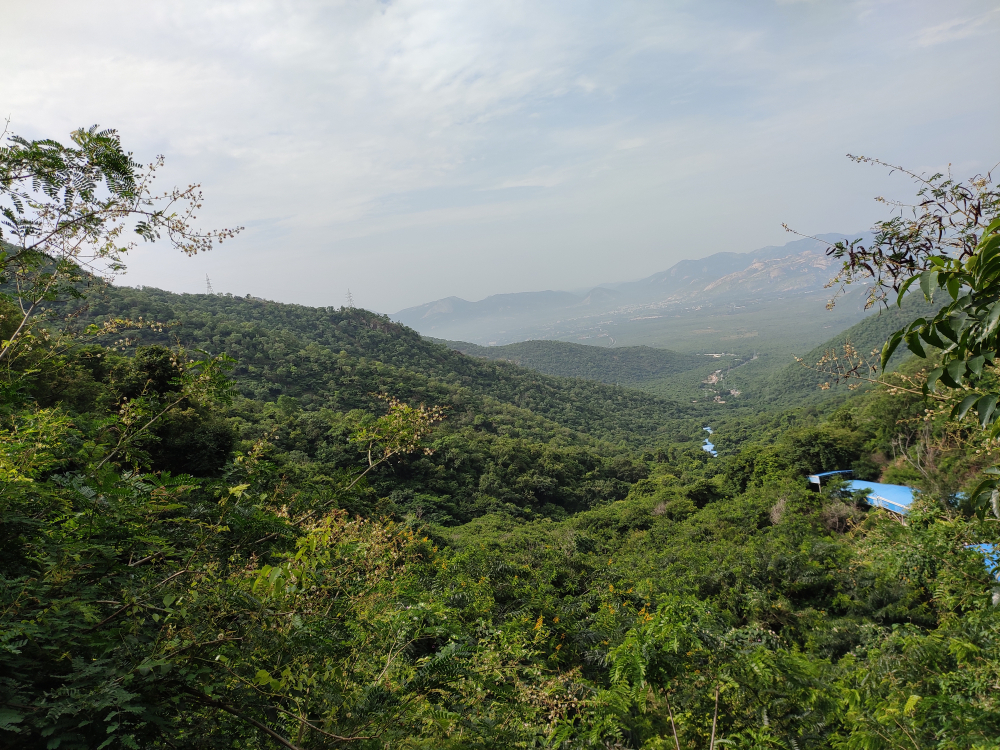
Dudhwa National Park, situated in the Terai belt of marshy grasslands in northern Uttar Pradesh, India, spans an expansive area of 490.3 km2 (189.3 sq mi), complemented by a buffer zone covering 190 km2 (73 sq mi). As an integral component of the Dudhwa Tiger Reserve, it extends across the Kheri and Lakhimpur districts. Positioned on the Indo-Nepali border within the Lakhimpur Kheri District, the park is a significant conservation area.
The park is home to a variety of flora and fauna, including many endangered species of animals and plants. It is a stronghold of the barasingha, with around half of the world’s barasinghas present in the park. The park also has a rich bird life, with over 350 species.
Geographical
Nestled in the Terai’s marshy embrace, Dudhwa National Park stretches across 490.3 square kilometers of wild Uttar Pradesh, India. This Lakhimpur Kheri gem, cradled by a 190 square kilometer buffer zone, reigns as a haven for diverse wildlife, from majestic tigers to flitting birdsong. Its strategic location along the Indo-Nepali border makes it a crucial conservation area, protecting the region’s ecological treasures and whispering promises of a vibrant future for nature.
History
The history of Dudhwa National Park in Uttar Pradesh, India, is marked by significant events that shaped its evolution into a vital conservation area:
1861:
- A 775 square kilometer forest area between the Mohana and Suhaili rivers was declared as reserved forest.
1958:
- The Uttar Pradesh government recognized the importance of protecting the swamp deer population and established the area as a wildlife sanctuary.
1977:
- The wildlife sanctuary was upgraded to the status of a national park, encompassing additional areas within the protected zone.
1979:
- Dudhwa achieved the status of a tiger reserve, emphasizing its commitment to the conservation of this endangered species.
1988:
- Dudhwa National Park became a key component of the Tiger Project, further solidifying its role in tiger conservation efforts.
Geographical Details:
- The Dudhwa Tiger Reserve, situated in the Nanpara Tehsil of Bahraich district, shares a northeastern boundary with Nepal, defined by the Mohana River.
- The reserve’s altitude varies between 110 to 185 meters (361 to 607 feet).
Formation of Dudwa National Park:
- In 1977, the government declared 614 square kilometers of the Kheri district as reserved, officially forming Dudwa National Park.
- Dudwa National Park holds the distinction of being the first national park in the state after the formation of Uttarakhand.
Barasingha Conservation:
- Dudhwa National Park is particularly renowned for its successful efforts in conserving the barasingha, or swamp deer.
- Approximately half of the world’s barasingha population is estimated to reside in the park, solidifying its crucial role as a stronghold for this endangered species.
Flora
- Sal: Shorea Robusta
- Asna: Terminalia Tomentosa
- Shisham: Dalbergia Sissoo
- Bahera: Terminalia Balerica
- Jamun: Syzygium Cumini
- Khair: Acacia catechu
Fauna
Dudhwa National Park boasts a variety of attractions, with its major highlights being the impressive tiger population (58 as of 2014) and a thriving community of swamp deer exceeding 1,600. Notably, the park owes part of its success in wildlife conservation to Billy Arjan Singh, who successfully hand-reared and reintroduced zoo-born tigers and leopards into the wilds of Dudhwa. The park is also home to some rare species, such as the hispid hare, once considered extinct until its rediscovery here in 1984.
In March 1984, an Indian rhinoceros was reintroduced into Dudhwa from the Pobitora Wildlife Sanctuary in Assam and Nepal, marking a significant conservation effort. The park’s diverse wildlife includes swamp deer, sambar deer, barking deer, spotted deer, hog deer, sloth bear, honey badger, jackal, Viverrinae, jungle cat, fishing cat, and leopard cat.
Dudhwa National Park is renowned as a stronghold for the barasingha, with approximately half of the world’s population of these unique deer species present within its boundaries. Smaller than the sambar deer, barasinghas are characterized by their 12 antlers collectively measuring up to 100 cm (39 in). These distinctive animals, weighing around 180 kg (400 lb), can be observed moving through the open grasslands. Their slightly woolly, dark brown to pale yellow cloak serves as an effective camouflage in the grassy terrain, adding to the park’s allure for wildlife enthusiasts and conservationists alike.
Birds:
Dudhwa National Park boasts a diverse avian population, featuring over 350 bird species, including a variety of migratory birds that find refuge here during the winter months. Among the notable species are painted storks, black and white necked storks, sarus cranes, woodpeckers, barbets, kingfishers, minivets, bee-eaters, bulbuls, and various birds of prey. The park is also home to drongos, cormorants, ducks, geese, hornbills, teal, herons, egrets, orioles, and owls.
The marshlands within the park serve as a habitat for approximately 400 species of resident and migratory birds, including the swamp francolin, great slaty woodpecker, Bengal florican, painted stork, sarus crane, and several owl species. Many of these avian species have an aquatic nature and can be found around Dudhwa’s lakes, such as Banke Tal.
Notably, Dudhwa National Park has been a sighting ground for the Critically Endangered white-rumped vulture and red-headed vulture, highlighting the park’s significance in the conservation of these vulnerable species. The rich avian diversity adds to the allure of Dudhwa National Park for birdwatchers and nature enthusiasts, making it a haven for various bird species, both resident and migratory.
Reptiles:
Dudhwa National Park is home to a diverse array of reptiles, contributing to the park’s rich biodiversity. The reptile population in Dudhwa includes various species adapted to the diverse ecosystems within the park. While specific data may vary, common reptilian inhabitants of Dudhwa National Park encompass:
Crocodiles:
- The park is known for its resident population of crocodiles, particularly mugger crocodiles, which can often be observed basking along the water bodies.
Turtles and Tortoises:
- Different species of freshwater turtles and tortoises inhabit the lakes and waterways of Dudhwa, contributing to the aquatic biodiversity of the park.
Snakes:
- Dudhwa is home to a variety of snake species, including both venomous and non-venomous types. Common snakes found in the park include cobras, kraits, vipers, and rat snakes.
Lizards:
- Various lizard species, such as monitor lizards and geckos, are part of the reptilian diversity in Dudhwa National Park.
Skinks and Agamas:
- Skinks and agamas, characterized by their sleek bodies and distinctive markings, are also part of the reptile population thriving in the park.
Gharials:
- The park may be home to gharials, a critically endangered species of crocodile with a long, thin snout. Efforts to conserve and protect gharials contribute to the overall conservation goals of Dudhwa.
While these reptiles play a crucial role in maintaining the ecological balance of Dudhwa National Park, they also add to the fascination of the park’s diverse wildlife. For reptile enthusiasts and nature lovers, Dudhwa offers the opportunity to observe and appreciate a variety of reptilian species in their natural habitats.
Attraction
Nature and wildlife:
- Katarniaghat Wildlife Sanctuary: Renowned for its swamp deer population.
- Kishenpur Barrage: Beautiful birdwatching spot with various migratory species.
- Kishanpur Wildlife Sanctuary: Offers jeep safaris and elephant rides.
- Nawabganj Bird Sanctuary: Another excellent location for bird enthusiasts.
History and culture:
- Lakhimpur Kheri City: Explore the Raja Bazar for local handicrafts and the Naya Bazaar for unique souvenirs.
- Kushinagar: Buddhist pilgrimage site with historical monasteries and stupas.
- Motihari: Birthplace of Mahatma Gandhi, with a museum dedicated to his life and legacy.
- Barabanki: Explore the ruins of ancient forts and temples, dating back to the Mughal era.
Adventure and activities:
- Jungle safaris: Explore the vibrant wildlife of Dudhwa National Park and Katarniaghat Wildlife Sanctuary.
- Nature walks: Hike along scenic trails in the Terai belt, surrounded by lush forests and wetlands.
- Boating adventures: Take a boat ride on the Sharda River or explore the serene waterways of Dudhwa National Park.
- Cultural evenings: Immerse yourself in the local culture with traditional dance performances and music.
Things To Do
Dudhwa National Park, nestled in the lush Terai belt of northern India, is more than just a wildlife haven; it’s an adventure playground for all ages and interests. Here are some unforgettable experiences waiting for you:
1. Embrace the Thrill of the Wild:
Jungle Safaris: Embark on a jeep safari through the verdant depths, spotting majestic tigers, graceful swamp deer, and elusive leopards. Choose from morning or afternoon safaris, each offering unique encounters with the park’s vibrant ecosystem.
Elephant Rides: Glide through serene grasslands on an elephant ride, feeling the earth rumble beneath you as you learn about the forest’s gentle giants and their vital role. Remember to choose ethical operators prioritizing elephant welfare.
Nature Trails: Lace up and delve into Dudhwa’s diversity on nature trails. Wind through tall grasslands, dense forests, and wetlands, spotting shy reptiles, dazzling butterflies, and playful langurs.
2. Unravel the Past:
Dudhwa National Park Museum: Step back in time and delve into the park’s fascinating history at the Dudhwa National Park Museum. Explore exhibits showcasing the region’s rich flora and fauna, learn about the park’s transformation, and understand the challenges and triumphs of conservation efforts.
Shiv Temple at Gola Gokarannath: Witness the architectural marvel of the ancient Shiv Temple, a renowned pilgrimage site with intricate carvings and serene surroundings.
Kushinagar: Immerse yourself in the spiritual aura of Kushinagar, a significant Buddhist pilgrimage site with historical monasteries and stupas marking the place of Buddha’s Mahaparinirvana.
3. Seek Adventure Beyond the Jungle:
Katarniaghat Wildlife Sanctuary: Venture into the adjacent Katarniaghat Wildlife Sanctuary, famed for its thriving population of swamp deer. Witness their graceful movements on jeep safaris or boat rides amidst stunning landscapes.
Kishenpur Barrage: Embark on a birdwatching adventure at the Kishenpur Barrage, a haven for migratory species like pelicans, ducks, and cranes. Capture their breathtaking aerial displays and witness the vibrant colors of their plumage.
Sharda River Cruise: Take a relaxing boat ride on the Sharda River, marveling at the lush riverside vegetation, spotting crocodiles basking on the banks, and enjoying the tranquility of the serene waterway.
4. Immerse Yourself in Local Culture:
Lakhimpur Kheri City: Explore the bustling markets of Lakhimpur Kheri, bargain for local handicrafts and souvenirs at the Raja Bazar, and savor the flavors of Awadhi cuisine at the Naya Bazaar.
Cultural Evenings: Immerse yourself in the vibrant Terai culture with traditional dance performances like Kathak and Chhaupaal, music concerts featuring soulful instruments like the sitar and tabla, and storytelling sessions under the starlit sky.
Village Visits: Get a glimpse into the lives of local communities, learn about their traditional customs and practices, and experience the warm hospitality of the Terai people.
Remember, Dudhwa National Park is a fragile ecosystem. Choose responsible operators, minimize waste, and follow park regulations to ensure this natural treasure thrives for generations to come.
From thrilling encounters with wildlife to exploring ancient temples and vibrant markets, Dudhwa National Park offers something for everyone. Pack your spirit of adventure, choose your experience, and let Dudhwa captivate you with its unforgettable charm.
Best time to visit
The best time to visit Dudhwa National Park is primarily determined by your priorities:
Wildlife Viewing:
- Peak Season (November – March): This is the ideal time for spotting wildlife, as the dry weather forces animals to congregate near water bodies, making them easier to see. You’ll have the highest chance of encountering tigers, leopards, swamp deer, and rhinos during this period. However, temperatures can be quite chilly, especially in the mornings and evenings.
- Shoulder Season (April – May, September – October): These months offer pleasant weather with moderate crowds and good wildlife sightings. The landscape starts to turn green during the monsoons, offering a different perspective.
Weather:
- Summer (June – August): Temperatures are at their peak during this time, making it uncomfortable for exploring the park, especially during midday. However, if you can’t travel during other seasons, you might encounter fewer crowds and enjoy lower accommodation rates.
Other factors:
- Park Closure: The park is closed to visitors from June 15th to November 14th during the monsoon season.
- Festivals: Avoid visiting during major Indian festivals like Diwali and Holi, as the park can get crowded and accommodation options might be limited.
How To Reach
Reaching Dudhwa National Park involves traversing diverse terrains, so selecting the optimal route depends on your preferred mode of transportation:
By Air:
- Nearest Airport: Lucknow Airport (LKO) around 221 km away. From the airport, you can hire a taxi, take a local bus to Lakhimpur Kheri, and then a connecting bus or taxi to Dudhwa.
By Train:
- Closest Railway Stations:
- Dudhwa (4 km) – Offers limited train connections.
- Palia (10 km) – Better availability, connected to major cities like Lucknow and Delhi.
- Mailani (37 km) – Frequent trains from Lucknow and Delhi.
- From any of these stations, hire a taxi or rickshaw to reach Dudhwa.
By Road:
- Excellent road network: Dudhwa is well-connected by multiple highways like NH17 and NH24.
- Self-drive/Car Rental: Choose comfortable vehicles as some roads might be bumpy. Check weather and traffic conditions before embarking.
- Buses: Uttar Pradesh State Road Transport Corporation (UPSRTC) operates buses from Lucknow, Lakhimpur Kheri, and other major cities to Dudhwa.
Additional Tips:
- Consider booking transportation in advance during peak season to avoid last-minute hassles.
- If unsure about driving, choose reliable taxi services from reputed operators.
- Public transportation might take longer, but offers budget-friendly options.
- Always prioritize responsible travel practices by choosing eco-friendly vehicles and minimizing waste.
Conclusion
Dudhwa National Park, nestled in the lush tapestry of the Terai belt, invites you to embark on an unforgettable journey. From thrilling encounters with majestic tigers and graceful swamp deer to exploring ancient temples and vibrant local markets, Dudhwa offers something for every curious soul.
Choose your adventure – whether it’s the heart-pounding thrill of a jeep safari or the serene tranquility of a nature walk, Dudhwa promises to captivate you with its raw beauty and rich biodiversity. Remember, responsible tourism is key to protecting this natural treasure. Choose ethical operators, minimize your impact, and leave nothing but footprints.
So, pack your spirit of adventure, embrace the call of the wild, and let Dudhwa National Park weave its magic into your soul. Let your journey be a testament to the enduring power of nature and a commitment to its preservation for generations to come.
This conclusion emphasizes the essence of the park, the variety of experiences it offers, and the importance of responsible tourism. It leaves the reader with a sense of wonder and encourages them to become part of Dudhwa’s captivating story.
FAQ
Wildlife Viewing: November to March boasts peak season with dry weather drawing animals near water bodies. Expect chilly mornings and evenings.
Pleasant Weather: April-May and September-October offer moderate crowds and comfortable temperatures. Enjoy the blooming green landscapes during monsoons.
Lower Crowds: June to August (summer) witnesses scorching temperatures but fewer visitors and potentially lower prices.
Park Closure: Remember, Dudhwa closes from June 15th to November 14th for the monsoon season.
By Air: Lucknow Airport (LKO) lies closest, 221 km away. Hire taxis, local buses, or connecting buses from there.
By Train: Dudhwa, Palia, or Mailani stations offer varying train connections from major cities. Taxis or rickshaws are readily available from these stations.
By Road: Dudhwa enjoys excellent connectivity via highways like NH17 and NH24. Consider self-driving, car rentals, or UPSRTC buses from major cities.
Dudhwa is a haven for diverse species, including majestic tigers, graceful swamp deer, elusive leopards, one-horned rhinoceroses, and over 350 bird species. Keep your eyes peeled for otters, reptiles, pangolins, and a kaleidoscope of butterflies!
Jeep Safaris: Embark on thrilling adventures through the verdant depths, spotting wildlife while learning about the ecosystem. Choose morning or afternoon safaris for unique experiences.
Elephant Rides: Glide through serene grasslands on the back of gentle giants, observing the forest from a unique perspective. Choose ethical operators prioritizing elephant welfare.
Nature Trails: Lace up and delve into Dudhwa’s diverse habitats on foot. Hike through forests, grasslands, and wetlands, spotting shy creatures and soaking in the sights and sounds.
Absolutely! Explore the vibrant Terai culture in bustling Lakhimpur Kheri, bargain for local handicrafts at the Raja Bazar, and savor Awadhi cuisine at the Naya Bazaar. Immerse yourself in traditional dance performances, music concerts, and storytelling sessions for a holistic experience.
Dudhwa offers comfortable accommodation options like guest houses, forest lodges, and eco-camps. Restaurants cater to diverse palates, and souvenir shops offer a chance to take home a piece of Dudhwa. Guided tours and information centers provide valuable insights into the park’s history and ecological importance.
Entrance fees vary depending on season and nationality. Expect to pay around INR 600 for adults and INR 300 for children during peak season (foreigners pay higher rates). Additional charges apply for jeep safaris, elephant rides, and other activities.
Responsible tourism is key! Maintain park silence, dispose of waste properly, avoid littering, and respect wildlife by maintaining a safe distance. Opt for ethical operators and minimize your environmental impact.
Comfortable clothing and footwear suitable for outdoor activities are essential. Pack sunscreen, hats, binoculars, insect repellent, and a camera to capture your unforgettable encounters. Consider bringing reusable water bottles and minimizing single-use plastics.
Dudhwa National Park is generally safe, but solo travelers should exercise caution. Stick to designated areas, avoid venturing off alone, and inform park authorities about your plans. Opt for guided tours or group safaris for added security.