
Bhitarkanika National Park
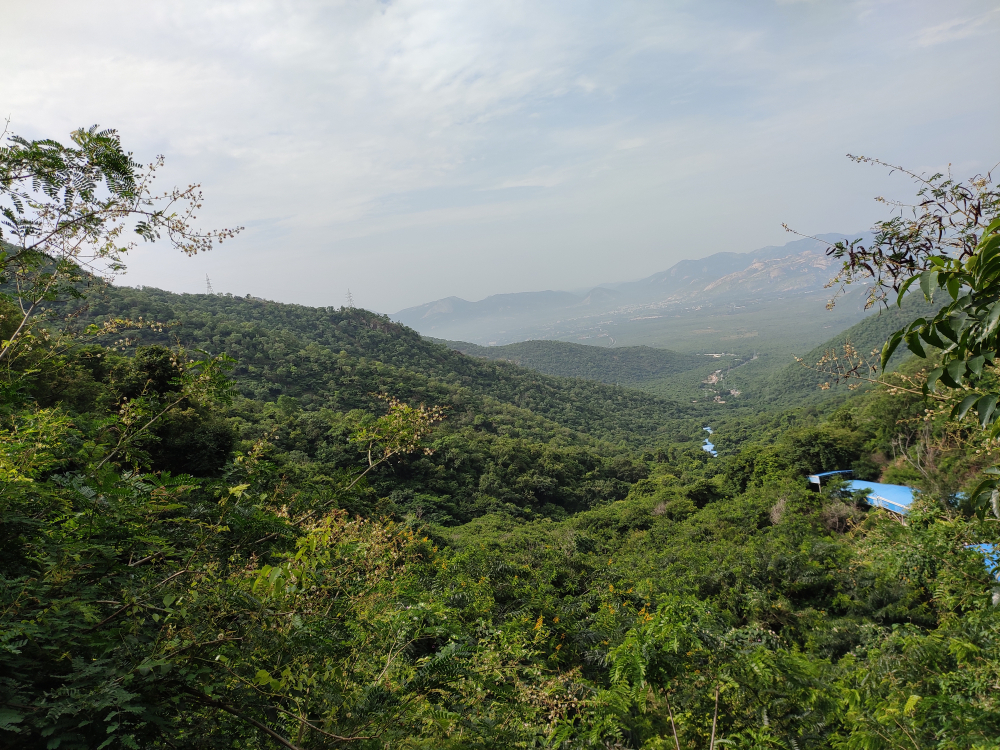
- Location: Kendrapara district, Odisha, India
- Area: Approximately 650 square kilometers (land and water combined)
- Claim to fame: India’s second-largest mangrove ecosystem, a crucial habitat for diverse plant and animal life
- Ecosystem: Mangrove forests, rivers, mudflats, salt marshes
- Wildlife: Saltwater crocodiles (largest population in India!), fishing cats, otters, deer, monkeys, countless birds, reptiles, and fish
- Activities: Boat tours, birdwatching, crocodile spotting, nature walks, photography
- Best time to visit: October to March (avoid summer months due to extreme heat)
Key facts:
- Bhitarkanika plays a vital role in protecting the Odisha coastline from erosion and cyclones.
- The park is home to over 220 species of birds, making it a birdwatcher’s paradise.
- You can spot endangered Olive Ridley turtles nesting on the park’s beaches during the winter months.
Bhitarkanika National Park, located in the Kendrapara district of the eastern state of Odisha in India, is a 145 square kilometer mangrove forest. It is the second largest mangrove forest in India. Furthermore, it is surrounded by the Bhitarkanika Wildlife Sanctuary with an area of 672 square kilometres.
This park was declared a Ramsar site on 16 September 1998. It is the second Ramsar site in the state after Chilika Lake.
A variety of animals are found in the park, including salt water crocodile, Indian python, Indian snake-eater, Indian marine crocodile, Bengal tiger, deer, monkeys, fox, etc. Every year millions of Olive Ridley sea turtles come here to lay eggs.
It is a popular tourist destination. Tourists coming here can enjoy activities like boating, bird watching, etc.
Bhitarkanika National Park is an important biodiversity area. It is important to preserve it for future generations.
History of Bhitarkanika National Park
The story of Bhitarkanika National Park dates back to ancient times. The dense forests and marshy areas here have been a haven for wildlife for centuries.
In the 16th century, this area used to be the hunting ground of the kings of Kanika. Kings used to come here for hunting and to display their dominance. During this time, the importance of the mangrove forests here became known and gradually their conservation started.
Bhitarkanika was declared a wildlife sanctuary under the Wild Life Protection Act in 1975. This step provided protection to the animals and ecosystem here. It was given the status of national park in 1998.
Bhitarkanika received the status of Ramsar site in 2002. It is the second Ramsar site in India and the second such area after Chilika Lake in Odisha. The Ramsar Convention is an international treaty for the conservation of wetlands and this recognition led to global recognition of the importance of Bhitarkanika.
Today Bhitarkanika National Park is a protected area. Saltwater crocodiles, deer, monkeys, snakes, sea turtles and many other species live safely here. The mangrove forest here not only provides shelter to animals but also plays an important role in protecting against storms, reducing the effects of climate change and preventing the salt water of the sea.
Bhitarkanika National Park is a priceless heritage for future generations. It is our responsibility to conserve it so that future generations can also enjoy its natural beauty and diversity.
Flora
Bhitarkanika National Park is a unique ecosystem on the eastern coast of India, known for its dense and diverse flora. The main attraction here is the vast mangrove forest, which is the second largest in the country. This rich vegetation not only makes the scenery charming, but also provides sustenance for the wildlife here.
Mangrove Forest
Bhitarkanika’s mangrove forest is home to a variety of salt-tolerant plants that are adapted to withstand salty water. The most prominent tree is the Sundari (Sonneratia apetala), whose roots form a complex structure that cleans the water and provides shelter for fish. In addition, trees such as Bin (Avicennia officinalis), Gewa (Excoecaria agallocha), and Garjan (Rhizophora apiculata) are also found in abundance. These trees not only prevent erosion, but also protect against storms.
Riverbanks
A variety of grasses and shrubs grow along the banks of rivers and in marshy areas. Major grasses include Ikka (Saccharum spontaneum), Narkol (Arundo donax), and Khaar (Typha angustifolia). These grasses not only prevent soil erosion, but also provide food for many birds and small creatures.
Other Vegetation
In addition to the mangrove forest, Bhitarkanika also has some dry forests and saline wetlands. These areas are home to trees such as Sal (Shorea robusta), Palash (Butea monosperma), and Khejri (Prosopis cineraria). There are also some fruit-bearing trees, such as Mango (Mangifera indica), Lemon (Citrus limon), and Jamun (Syzygium cumini).
Importance of Vegetation
The vegetation of Bhitarkanika National Park is the foundation of the ecosystem here. It not only provides food and shelter for wildlife, but also plays an important role in protecting against storms, reducing the impact of climate change, and maintaining water quality.
Mangrove forests act as nurseries for fish, birds, and other creatures. The roots of these trees not only stabilize the soil, but also provide food and shelter for fish. In addition, these trees protect coasts from sea storms during storms.
The vegetation of Bhitarkanika National Park is a valuable heritage that we have a duty to conserve. Understanding the diversity and importance of the vegetation here is essential for its conservation in the future.
Fauna
Bhitarkanika National Park is a unique ecosystem located on the eastern coast of India, known for its diverse and abundant wildlife. The park is home to a variety of animals, including many rare and endangered species.
Crocodiles
Bhitarkanika National Park is best known for its saltwater crocodiles. The park is home to an estimated 2,000 saltwater crocodiles, which are one of the largest crocodile species in the world.
Other Reptiles
Other reptiles found in Bhitarkanika include the Indian python, cobra, krait, monitor lizard, geckos, and a variety of snakes.
Birds
Bhitarkanika National Park is home to over 250 species of birds, including the Siberian crane, African spoonbill, golden-cheeked bulbul, vulture, eagle, and many others.
Mammals
Mammals found in Bhitarkanika include wild boar, deer, monkeys, foxes, leopards, and a variety of rodents.
Fish
Bhitarkanika National Park is home to a variety of fish, including those that live in rivers, canals, and mangrove forests. The park is also home to several rare and endangered fish species.
The importance of Bhitarkanika’s wildlife
The wildlife of Bhitarkanika is an important part of the park’s ecosystem. These animals live in a symbiotic relationship with each other, providing each other with food and protection.
It is our duty to protect the wildlife of Bhitarkanika National Park. We can work to prevent human activities that harm these animals.
Attractions: Lakes, Dam, Waterfall and Tribes
Bhitarkanika National Park is a wildlife sanctuary located in Kendrapara district of Odisha, India. It is the second largest mangrove forest in the world and is home to a variety of wildlife, including crocodiles, tigers, elephants, and birds. The park is also home to several villages of indigenous tribes.
Lakes
Bhitarkanika National Park has a number of lakes, including the Mahanadi River, the Bhitarkanika River, and the Kuliana River. These lakes provide a habitat for a variety of aquatic animals, including fish, turtles, and crocodiles.
Dam
The Bhitarkanika Dam is a hydroelectric dam located on the Mahanadi River. The dam provides electricity to the surrounding villages and also helps to control flooding.
Waterfall
The Harishchandra Waterfall is a waterfall located in the Bhitarkanika National Park. The waterfall is about 100 feet tall and is a popular tourist destination.
Tribes
Bhitarkanika National Park is home to several villages of indigenous tribes, including the Juang tribe, the Bhuyan tribe, and the Munda tribe. These tribes have a long history of living in the area and have a deep connection to the natural world.
Other Attractions
In addition to the lakes, dam, waterfall, and tribes, Bhitarkanika National Park also has a number of other attractions, including:
- Birdwatching: Bhitarkanika National Park is home to over 250 species of birds, including the Siberian crane, the African spoonbill, and the golden-cheeked bulbul.
- Crocodile spotting: Bhitarkanika National Park is home to an estimated 2,000 saltwater crocodiles, which are one of the largest crocodile species in the world.
- Wildlife safaris: Visitors can take wildlife safaris through the park to see the animals in their natural habitat.
- Boating: Boating is a popular way to explore the waterways of the park.
How to Get There
Bhitarkanika National Park is located about 120 kilometers from Bhubaneswar, the capital of Odisha. The nearest airport is Bhubaneswar Airport, which is about 180 kilometers away. The nearest railway station is Bhadrak Railway Station, which is about 50 kilometers away.
Best Time to Visit
The best time to visit Bhitarkanika National Park is during the winter months, from October to February. During this time, the weather is pleasant and mild, with average temperatures ranging from 20 to 30 degrees Celsius. This makes it a comfortable time to be outdoors and explore the park’s many attractions.
The summer months, from March to June, can be hot and humid, with temperatures reaching up to 40 degrees Celsius. This can make it difficult to enjoy outdoor activities, and the park’s animals may be less active.
The monsoon season, from July to September, is also not ideal for visiting the park. During this time, the park is often flooded, and many of the roads and trails are impassable.
If you are planning a trip to Bhitarkanika National Park, it is important to choose the right time of year. The winter months offer the best combination of pleasant weather and wildlife viewing opportunities.
Here are some of the things you can do in Bhitarkanika National Park:
- Take a boat ride on the Brahmani River to see the saltwater crocodiles that are the park’s most famous inhabitants.
- Go on a safari to spot other wildlife, such as spotted deer, wild boar, and monkeys.
- Visit the Gahirmatha Beach, which is one of the world’s largest nesting grounds for Olive Ridley sea turtles.
- Explore the park’s mangrove forests, which are home to a variety of plants and animals.
Bhitarkanika National Park is a beautiful and unique place that offers a variety of activities for visitors of all interests. By planning your trip for the right time of year, you can make the most of your experience.
Tips for Visitors
Planning and Preparation:
- Best time to visit: October to February for pleasant weather and active wildlife. Avoid the scorching summers and flooded monsoons.
- Book your stay: Accommodation options range from budget guesthouses to eco-friendly resorts. Book well in advance, especially during peak season.
- Pack wisely: Comfortable clothing, sturdy shoes, sunglasses, hat, sunscreen, insect repellent, binoculars, camera, and a reusable water bottle.
- Permits: Obtain necessary permits from the Forest Department in advance.
Exploring the Park:
- Boat safaris: The prime way to explore the mangroves, spot crocodiles, and observe diverse birdlife. Choose a licensed boat operator and follow their instructions.
- Nature trails: Limited trails offer glimpses into the mangrove ecosystem. Hike with a guide and be mindful of slippery surfaces and wildlife encounters.
- Gahirmatha Beach: Witness Olive Ridley turtle nesting during the breeding season (November to February). Maintain a safe distance and avoid disturbing the turtles.
- Respect wildlife: Observe from a distance, avoid loud noises, and don’t litter. Remember, you’re in their territory.
Staying Safe:
- Beware of crocodiles: Stay on designated boats and trails. Never swim in the water or dangle limbs over the edge.
- Dress appropriately: Avoid loose clothing and bright colors that might attract insects.
- Carry first-aid: Be prepared for minor cuts, scrapes, or insect bites.
- Stay hydrated: Drink plenty of water, especially during hot weather and boat rides.
- Respect the locals: Seek permission before photographing villagers and their communities.
Additional Tips:
- Support local communities: Choose eco-friendly lodges, buy souvenirs from craft shops, and try local Odia cuisine.
- Minimize waste: Carry reusable bags, avoid single-use plastics, and dispose of garbage responsibly.
- Leave no trace: Respect the park’s natural beauty and leave it as you found it.
Bonus: Pack a book or download an offline wildlife guide to identify birds, reptiles, and other animals you encounter.
What Not to Do
When visiting Bhitarkanika National Park, there are certain things you should avoid to ensure your safety, the well-being of the wildlife, and the preservation of the ecosystem. Here are some things you should not do in Bhitarkanika:
Feeding Wildlife:
- Avoid feeding any wildlife, as it can disrupt their natural behavior and diet. Feeding can also lead to dependency on humans, affecting the animals’ survival instincts.
Getting Too Close to Crocodiles:
- Do not approach or attempt to get too close to saltwater crocodiles. They are wild animals and can be dangerous. Always maintain a safe distance and follow the guidelines provided by park authorities.
Littering:
- Dispose of your waste responsibly. Avoid littering in the park to preserve its natural beauty and protect the environment. Carry a small bag for your trash and dispose of it properly when you leave.
Unauthorized Trekking:
- Stick to designated paths and trails. Avoid unauthorized trekking or venturing into restricted areas to prevent harm to the delicate ecosystem and minimize disturbance to wildlife.
Excessive Noise:
- Keep noise levels to a minimum. Excessive noise can disturb the wildlife and disrupt their natural activities. Maintain a quiet and respectful demeanor during your visit.
Collecting Plants or Animals:
- Do not collect plants, animals, or any natural resources from the park. Bhitarkanika is a protected area, and disturbing the flora and fauna can have detrimental effects on the ecosystem.
Smoking:
- Refrain from smoking in the park. It poses a fire hazard, especially in the dry seasons, and can have a negative impact on the air quality.
Straying Off Designated Paths:
- Stay on designated paths and trails. Straying off the paths can disturb the nesting sites of birds and the habitats of other wildlife.
Disrupting Breeding Sites:
- Avoid disturbing breeding sites, especially during the nesting season. Many species of birds and reptiles nest in Bhitarkanika, and human interference can impact their breeding success.
Ignoring Safety Guidelines:
- Always adhere to safety guidelines provided by park authorities. Ignoring these guidelines can put you and the wildlife at risk. Follow the instructions for boat rides, wildlife viewing, and other activities.
Adhering to Wildlife Protection Act:
Ensure compliance with the Wildlife Protection Act, which prohibits activities such as hunting, poaching, and capturing of wildlife. Any such actions are not only illegal but also detrimental to the conservation efforts aimed at protecting the rich biodiversity of Bhitarkanika National Park. Respect and support the legal framework in place for the welfare of the wildlife in the region.
By respecting the rules and guidelines set by the national park authorities, visitors can contribute to the conservation efforts and enjoy a safe and responsible experience in Bhitarkanika.
Conclusion
Bhitarkanika National Park is not just a tourist destination; it’s a lifeline. Protecting its mangroves, wildlife, and communities is our collective responsibility. By supporting responsible tourism, advocating for conservation, and making conscious choices, we can ensure that Bhitarkanika’s magic endures for generations to come.
Remember, every visitor has the power to become a guardian of this irreplaceable ecosystem. Let’s choose to explore responsibly, conserve mindfully, and leave only footprints, not our mark.
FAQS
Bhitarkanika National Park is famous for its abundance of saltwater crocodiles, the largest population in India. It’s also home to a diverse range of other wildlife, including birds, reptiles, and mammals. The park’s unique ecosystem of mangrove forests, rivers, and salt marshes creates a stunning and biodiverse landscape.
The park is situated in the Kendrapara district of Odisha, along the east coast of India. It’s about 100 kilometers northeast of the state capital, Bhubaneswar.
Bhitarkanika National Park covers an area of 145 square kilometers, forming the core zone of the larger Bhitarkanika Wildlife Sanctuary, which spreads across 672 square kilometers.
The winter months (November to February) are generally considered the best time to visit, as the weather is pleasant and wildlife sightings are more frequent. However, the park remains open throughout the year, except during the monsoon season (July to September) when boat safaris are temporarily suspended due to rough waters.
The nearest airport is Biju Patnaik International Airport in Bhubaneswar, which is well-connected to major cities in India. From there, you can take a taxi or hire a car to reach the park entrance at Chandbali or Dhamra.
The park is divided into three zones:
- Core Area: This is the most protected zone, accessible only by boat safari with permission from the forest department.
- Buffer Zone: This zone allows for some human activities like fishing and collection of non-timber forest products.
- Development Zone: This zone includes villages and eco-tourism facilities.
The most popular activity is the boat safari, offering a thrilling close encounter with the park’s wildlife. You can also go birdwatching, trekking through the mangrove forests, and visit the crocodile breeding center and Bagagahan Bird Sanctuary.
Entry fees vary depending on the zone and activity. Boat safaris typically cost around ₹3000 for the entire boat, while birdwatching and trekking fees are nominal.
Several eco-friendly lodges and guesthouses are located near the park entrance, offering comfortable accommodation amidst the natural beauty. Some options include Khola Resort, Wild Mahendra Eco Camp, and Bhitarkanika National Park Lodge.
- Always follow the instructions of the park guides and forest officials.
- Maintain a safe distance from wildlife and avoid making loud noises.
- Do not litter or pollute the park’s fragile ecosystem.
- Be aware of your surroundings and carry insect repellent and sunscreen.
By following these tips and respecting the park’s rules, you can ensure a safe and enjoyable experience exploring the wonders of Bhitarkanika National Park.